1. What Are the Types of Garage Door Springs?
Garage doors primarily use two types of springs: torsion springs and extension springs, each playing a vital role in opening and closing your garage door smoothly. Understanding their differences helps you identify which spring needs replacement and how they operate within your garage door system.
- Torsion Springs: Mounted above the garage door, torsion springs work by twisting on a metal shaft to create torque, counterbalancing the door's weight during operation. These springs are under significant spring tension and require winding bars for adjustment. Extension Springs: Located on either side of the garage door along the garage tracks, extension springs stretch and contract to balance the door’s weight. They run parallel to the garage tracks and assist in lifting the door via connected garage door cables.
Identifying your broken spring type is crucial before attempting any repair. Look for a broken torsion spring above the door or a snapped extension spring along the sides near the rollers and tracks.
2. What Tools and Safety Equipment Do I Need for Spring Replacement?
Replacing garage door springs involves handling components under extreme tension, so having the right tools and safety gear is essential for a safe and successful repair.
- Winding Bars: Specifically designed steel rods used to safely wind and unwind torsion springs. Pliers and Socket Wrench Set: For removing and attaching hardware such as spring clips and bolts. Safety Glasses and Gloves: Protect your eyes from debris and hands from sharp components during the repair process. Ladder: A sturdy ladder to reach overhead components safely.
Always prioritise garage door safety by wearing protective gear and ensuring no one stands nearby during the repair. The high spring tension can cause serious injury if mishandled, so take every precaution.
3. How Do I Measure the Garage Door Spring Before Replacing It?
Accurate measurement of your existing spring is critical to purchasing the correct replacement that matches your garage door specifications and ensures optimal performance.
- Spring Length: Measure from one end of the spring to the other, excluding the hooks or loops. Coil Diameter: Measure the width of the coils to determine the spring’s thickness. Wire Thickness: Use a caliper to measure the thickness of the wire forming the spring coils.
Torsion springs and extension springs have different measurement requirements; torsion springs focus more on coil diameter and wire thickness, while extension springs are measured mainly by length and wire gauge. Always refer to your garage door manual or manufacturer guidelines to ensure compatibility.
4. What Are the Step-by-Step Instructions to Replace a Broken Torsion Spring?
Replacing a torsion spring requires careful handling of high-tension components. Follow these steps cautiously to ensure safety and proper function.
Disconnect the garage door opener motor to prevent accidental activation. Wear safety glasses and gloves before starting. Insert winding bars into the stationary torsion spring to hold it securely while loosening the bolts on the spring anchor and cable drums. Carefully unwind the broken spring using winding bars, releasing spring tension gradually. Remove the broken spring from the shaft. Slide the new torsion spring onto the shaft, positioning it properly against the centre bracket. Attach the spring ends to the cable drums and hook the cables accordingly. Use winding bars to wind the new spring precisely as specified, restoring the correct tension. Tighten all bolts securely, then test the garage door balance by lifting manually. The door should stay open halfway without assistance. Reconnect the garage door opener and check smooth operation and noise levels.Never attempt to adjust or install torsion springs without using proper winding bars and following the exact torque specifications to avoid severe injury.
5. How Do I Replace a Broken Extension Spring?
Extension springs are generally easier to replace but still require careful attention to safety and correct installation.
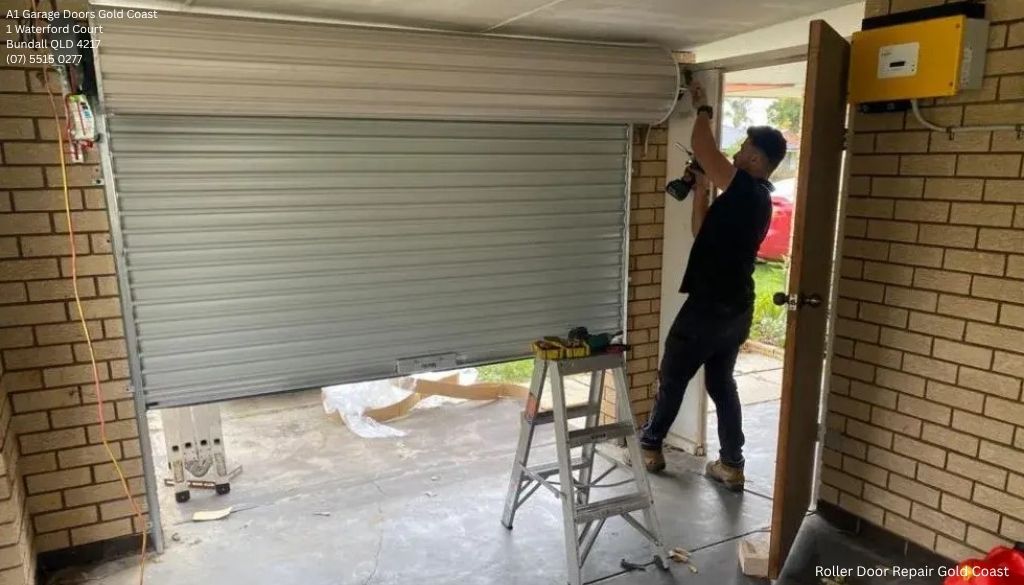
Disconnect the garage door opener before starting work. Locate the broken extension spring along the garage tracks near the roller wheels. Remove the spring clip securing the old spring and detach the spring from the spring anchor and cables. Install the new extension spring by hooking it onto the anchor points and attaching the garage door cable securely. Replace the safety cable inside the spring if applicable, especially in older systems. Ensure the spring tension is balanced and all clips and cables are tight and secure. Test the garage door for smooth and quiet operation once reconnected to the opener.Properly installed extension springs help reduce garage door noise and maintain smooth movement along the tracks and door panels.
6. When Should I Hire a Professional Garage Door Technician?
While many homeowners consider DIY repairs, garage door spring replacement carries significant risks due to the high forces involved.
- If you lack experience handling high-tension springs or the required tools like winding bars, it's safest to call a garage door technician. If your garage door has complex features, such as multiple springs, advanced sensors, or an integrated garage door opener motor, professional service ensures correct installation. Trying to repair without proper tools may void your garage door warranty, leading to expensive future repairs. A certified technician can also provide ongoing garage door maintenance and identify other potential issues like alignment problems or worn-out hardware.
Keep in mind the safety benefits and peace of mind obtained when hiring experts qualified in garage door installation and repair.
7. How Can I Maintain My Garage Door Springs to Extend Their Life?
Routine maintenance prolongs spring life and helps avoid costly repairs or replacements extension spring repair down the line.
- Inspect springs regularly for signs of wear such as rust, gaps in coils, or unusual noises. Apply appropriate garage door lubrication on springs, hinges, and rollers to keep moving parts smooth and reduce friction. Check and adjust garage door alignment to prevent uneven stress on springs and hardware. Maintain proper garage door balance by manually lifting the door halfway and ensuring it stays in place without support. Replace weatherstripping and seals to reduce strain caused by wind or dirt entering the mechanism.
Regular care not only improves door performance but also enhances safety and prevents premature spring failure.
A. How Does Garage Door Opener Affect Spring Replacement?
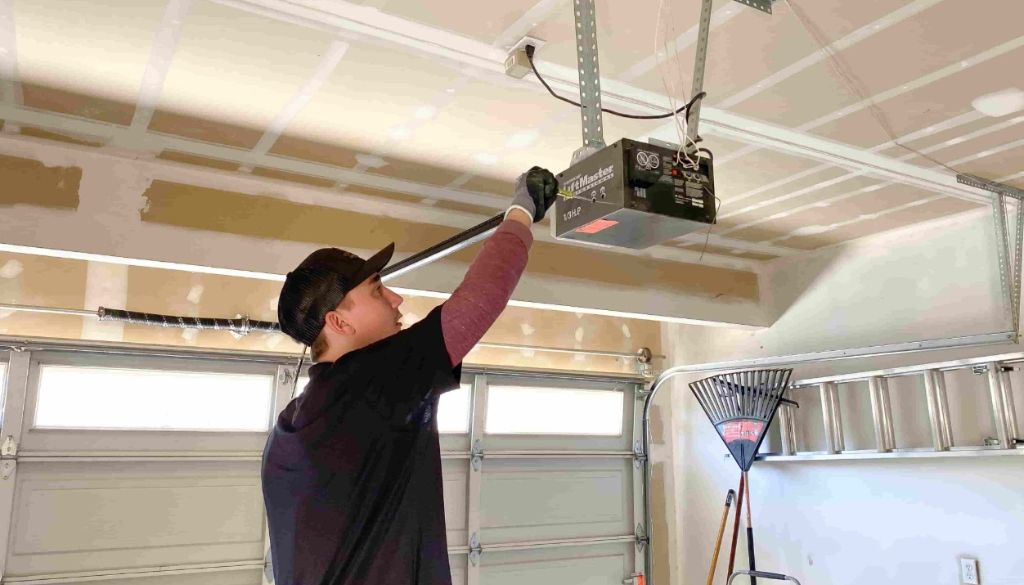
Before replacing springs, always disconnect your garage door opener unit to avoid unintended door movements caused by the motor or remotes. After installation, test the opener's function by operating the door several times, checking for smooth engagement of sensors and quiet motor operation. Proper synchronisation between the opener and spring tension ensures lifespan longevity of both components and reliable door movement.
B. Common Garage Door Problems After Spring Replacement and Troubleshooting
Occasionally, after replacement, you might notice issues such as:
- Unusual garage door noise or grinding sounds suggesting misaligned rollers or loose hardware. Door failing to close completely due to sensor misalignment or improper spring tension. Door feeling heavy or out of balance, indicating incorrect spring winding or cable issues.
In such cases, reviewing your installation steps or consulting a professional technician is advisable to avoid further damage.
C. Cost Comparison: DIY vs Professional Garage Door Spring Replacement
DIY spring replacement may save initial labour costs but carries risks including injury, incorrect installation, and possible equipment damage leading to expensive repairs later. Professionals typically charge for service and parts but provide warranties and safer, guaranteed repairs. Additionally, improper DIY work can affect your garage door warranty status, so weigh cost savings against long-term benefits carefully.
D. Understanding Garage Door Balance and Why It Matters After Spring Replacement
Proper garage door balance ensures even distribution of weight and smooth movement along the garage door cable drum and tracks. A balanced door reduces strain on the opener, springs, and hardware, improving longevity and safety. After any spring replacement, always test balance by manually lifting the door halfway; it should remain stationary without assistance. If it moves up or down, spring tension must be adjusted accordingly.
FAQ Section
Q1: How dangerous is replacing a garage door spring by myself?
A1: Replacing garage door springs involves high tension that can cause serious injury if handled incorrectly. Extreme caution, proper tools like winding bars, and safety gear such as glasses and gloves are essential. For most homeowners, hiring a professional is recommended unless you have prior experience.
Q2: Can I use any spring to replace my broken garage door spring?
A2: No. Garage door springs must match specific measurements including length, wire thickness, and coil diameter to ensure proper function and safety. Using incorrect springs can cause imbalance and damage.
Q3: How long do garage door springs typically last?
A3: Most garage door springs have a lifespan of 7-10 years or approximately 10,000 to 15,000 cycles. Regular maintenance like lubrication and balance checks can extend their service life.
Our Sponsor
A1 Garage Doors Gold Coast
A1 Garage Doors Gold Coast is a Bundall-based garage door specialist serving the southern Gold Coast and surrounding suburbs with installation, repair, maintenance, and emergency garage door services. The company specializes in sectional doors, roller doors, garage door openers, spring and cable replacement, opener motor repair, smart-enabled installations, and 24/7 emergency call-outs across Robina, Burleigh Heads, Surfers Paradise, Nerang, Coomera, and the wider Gold Coast region.
Address:
1 Waterford Court,
Bundall,
QLD
4217,
Australia
Phone: (07) 5515 0277
Business Hours:
- Open 24/7 — Including After-Hours and Emergency Call-Outs
Follow Us:
Q4: What happens if I don’t replace a broken garage door spring immediately?
A4: A broken spring causes your garage door to become heavy and difficult to lift, potentially damaging the door opener, cables, and other hardware. It also presents a safety hazard.
Q5: Is it possible to replace only one spring if I have two on my garage door?
A5: It is generally recommended to replace both springs simultaneously to maintain door balance and ensure even wear, leading to smoother operation and longer lifespan.
Replacing a broken garage door spring requires precision, care, and respect for safety protocols. Whether you choose to tackle the task yourself or hire a professional, understanding the mechanics, tools, and maintenance practices is key to keeping your garage door functioning reliably. If ever unsure, consulting a certified technician ensures peace of mind and safe operation for years to come.